
On this page
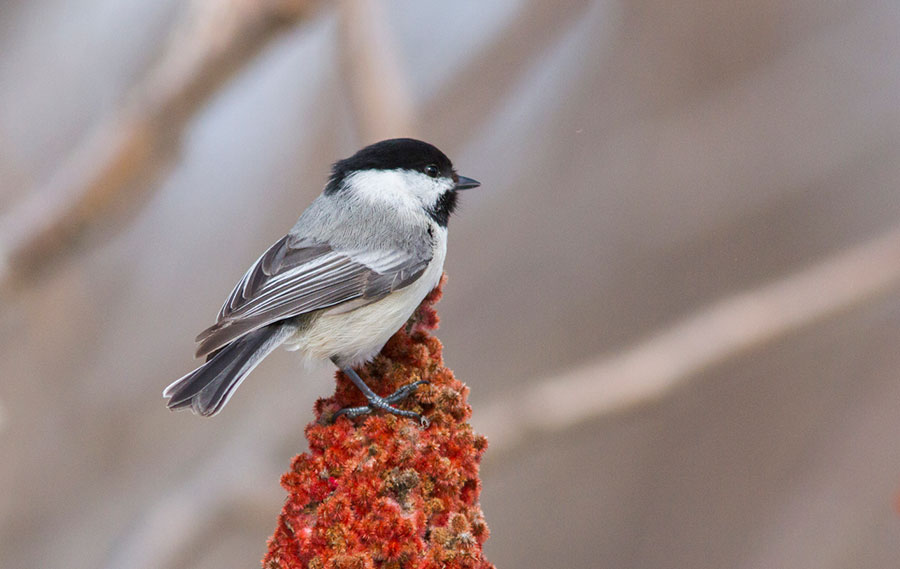
Since 2022, Guelph has been a certified Bird Friendly City. The City renewed its certification with Nature Canada in 2024. Becoming a Bird Friendly City has helped raise community awareness about local bird populations, provided opportunities for science-based education and outreach, and contributed to reversing the global trend of declining bird populations.
What Is a Bird Friendly City?
The Bird Friendly City program was developed by Nature Canada to help urban environments become safer for birds. A Bird Friendly City is a community where:
- Key threats to birds are effectively mitigated;
- Nature is protected and restored so native bird populations can thrive;
- Residents are actively engaged in admiring and monitoring local bird populations;
- Organizations are creating events to engage the community about birds;
- Progressive municipal policies are created to protect urban bird populations; and,
- A ‘Bird Team’ has been created to oversee and lead these initiatives.
Read more from Nature Canada about the Bird Friendly City program.
Guelph’s Bird-Friendly Actions
The City of Guelph has taken the following bird-friendly actions:
- Created the Bird-friendly Design Guideline;
- Partnered with Bird Safe Guelph for events such as World Migratory Bird Day;
- Restored and improved bird habitat such as the Pollinator Park at the Eastview landfill site;
- Working towards the One Canopy Tree Planting Strategy goal to achieve 40 per cent tree canopy cover by 2070;
- Implemented the City’s Climate Adaptation Plan, which includes nature-based solutions;
- Implemented actions from the Natural Heritage Action Plan;
- Created a bird-safe mural on the front windows of City Hall to spread awareness of bird-safe practices and to reduce bird strikes with the building;
- Created Guelph’s Park Steward Program which includes community-led projects such as tree plantings, litter clean-ups and more; and,
- Conducted meadow maintenance to provide high-quality habitat for grassland-dependent bird species. The City also maintains Guelph’s natural meadows between mid-August and late October.
How You Can Help Birds
Place Visual Markers on Your Windows
Placing visual markers on your windows can help reduce bird collisions with windows. A visual marker is a pattern of any shape that is applied to or hung in front of your window. This can be as simple as placing dots every two to four inches across the window, or it could be an intricate design. Read more about how to create visual markers from Flap Canada.
Keep Your Household Cat Inside or on a Leash
Pet cats are a major contributor to the decline of bird species worldwide. To reduce the risk of local birds falling prey to cats, keep your household cat inside or on a leash. Off-leash dogs can also disturb ground-nesting and ground-feeding birds. Please keep dogs on-leash in accordance with the Animal Control bylaw.
Plant Native Gardens
Creating a native flower garden on your property supports bees and butterflies, and provides a source of food and shelter for birds throughout the year. Learn more about native gardens.
Join a Community Garden
No room for a native garden on your property? Join one of Guelph’s many community gardens. The City’s community garden program encourages volunteers to use City parks and other public spaces (e.g., school yards) to grow fruit, vegetables and pollinator plants.
Plant a Tree
Tree canopy provides food and shelter for birds across Guelph. Consider planting a tree in your front or back yard. If you can’t plant a tree in your yard, consider participating in community events with Park Stewards, Trees for Guelph and other community groups. Email [email protected] to get involved.
Keep Bird Feeders Clean
Moldy or decomposing seeds that accumulate on feeder trays can make birds sick. Bird droppings and other contaminants may also spread infectious bird diseases. Clean your feeders about once every two weeks. Research suggests that soaking feeders in a dilute bleach solution for 10 minutes is a very effective step in addition to scrubbing away debris and old seeds. Rinse thoroughly and allow to dry before refilling.
What to Do if You Find a Bird in Distress
If you have found an adult bird that is unable to fly, or has collided with a window, please contact a local wildlife rehabilitator for instructions on how to help. View a list of Ontario wildlife rehabilitators.
For more information about what to do if you find a baby bird, please visit the Guelph Humane Society’s website or call 519-824-3091.
Guelph’s Official Bird
In 2022, the Black-capped Chickadee was named Guelph’s official bird following a community survey with over 2,700 responses.
For More Information
Environmental Planning
519-837-5616
[email protected]