
Housing affordability
We’re taking action to encourage more affordable housing development in Guelph.

On this page
What is affordable housing?
In Canada, housing is considered “affordable” if it costs less than 30 per cent of a household’s before-tax income. Many people think the term “affordable housing” refers only to rental housing that is subsidized by the government. In reality, it’s a very broad term that can include housing provided by the private, public and non-profit sectors. It also includes all forms of housing tenure: rental, ownership and co-operative ownership, as well as temporary and permanent housing.
What do we mean by affordable housing in Guelph?
The province released an Affordable Residential Unit Bulletin that defines what “affordable” means for Guelph by setting affordable housing benchmarks for home ownership and rental units. The table below outlines these housing benchmarks by unit type:
Affordable housing benchmarks for 2025 (Ownership)
| Unit type | Affordable housing benchmark (market-based) |
|---|---|
| Single-detached | $407,100 |
| Semi-detached | $407,100 |
| Townhouse | $407,100 |
| Apartment | $407,100 |
Affordable housing benchmarks for 2025 (Rental)
| Unit type | Affordable housing benchmark (market-based) |
|---|---|
| Bachelor | $1,271 |
| 1-bedroom | $1,598 |
| 2-bedroom | $1,740 |
| 3+ bedroom | $1,935 |
Housing Affordability Strategy
In December 2024, the City approved a Housing Affordability Strategy. The strategy outlines 30 actions to bring more housing that is affordable to Guelph over the next decade.
Read the strategy and the implementation plan to learn more.
Actions underway

Affordable Housing Community Improvement Plan
We’re offering grants to those looking to:
- add new affordable units to their property
- turn vacant units into affordable housing
- build new affordable units
Grants funded by the Housing Accelerator Fund.
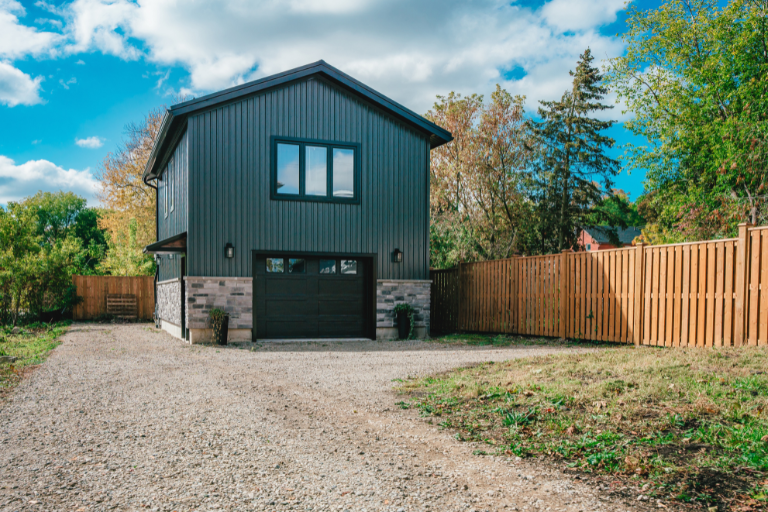
Additional dwelling units
Council has approved an Official Plan and Zoning bylaw amendment to allow up to four housing units on a low-density residential property.
We are continuing to explore the impact and feasibility of five or more housing units in Guelph’s low-density residential areas.

Affordable Housing Seed Funding program
We’re providing seed funding to registered not-for-profits interested in building affordable housing.
Funding can be used to cover pre-construction costs, such as feasibility studies.
So far, seed funding is expected to support at least 43 affordable units, with more on the way.

Affordable housing on City-owned land
We’re contributing City-owned land at 14 Edinburgh Road and $1.5M through the Housing Accelerator Fund to Thresholds Homes and Supports.
Thresholds Homes and Supports will build and operate 13 deeply affordable rental units for seniors experiencing mental health issues.

Strengthening renter protections
We’re working on new bylaws designed to protect tenants and preserve affordable housing stock:
• Rental renovation (renoviction) bylaw: protect tenants from bad faith evictions during renovations
• Rental replacement bylaw: ensure affordable units that are removed during renovations are replaced and provided at similar rents.

Vacant Home Tax
There shouldn’t be vacant homes during a housing crisis. We’re developing a four per cent tax on homes left vacant for more than 183 days.
The goal is to encourage owners to live in, rent or sell unoccupied homes.

Affordable housing on City-owned land
We’re exploring new ways to use City-owned land for affordable housing.
As part of this work, we’re planning to build 12 new rental units on City-owned land on Normandy Drive and Eastview Road.
These units will be run by an affordable housing provider and development costs will be covered by federal funding.