
Affordable Housing Is for People Just Like You.
In collaboration with the Guelph & Wellington Poverty Elimination Collaborative
What Is “Yes in My Backyard?”
Yes in My Backyard, or YIMBY, is a community-based initiative that encourages people to say yes to affordable housing.
Home is so much more than a building. It’s the place we raise families, snuggle with pets, and where we get back on our feet. It’s where we feel safe to be ourselves, find belonging, and make community.
When we say yes to housing, especially affordable housing, we say yes to a place where people can create homes of their own.
This work has been taking place since December 2020 through the Guelph & Wellington Poverty Elimination Collaborative (GWPEC). This foundation has helped lay the groundwork for change in the community, and we want to continue moving this work forward.
Real Housing Stories
These stories are real. Names have been changed to protect privacy.

Linda – Baby Boomer With Post-Secondary Education and Professional Background
I grew up believing that if you worked hard, got an education and built a career, stable housing would follow. That has not been my experience.
After university, I returned to night school to continue my education, hoping that more education would lead to more work opportunities and create more stability.
In my 30s, I was living with my parents and working nearby. Eventually, I managed to afford an apartment of my own. But when my employer changed my role and I pushed back on the revised duties, I lost my job. Before long, I could not afford my apartment and had to move back home.
That was not an easy situation, but it also meant I could be there for my father when his health declined. Later, I started working for myself.
After my father died, my mom and I moved into an apartment where we could both live and I could run my business. I retired, and recently, my mom passed away. That has led to a whole range of affordability issues, and right now, I am applying for subsidized housing.
After decades of effort, experience, and education, home ownership still feels far out of reach. My story matters because many women like me fall through the cracks — people who worked hard, got educated, contributed to their communities, and still do not have secure, affordable housing. Too often, people assume stories like mine are rare. But they are real, and they are closer than many think.

Kim – Parent and Advocate for Shared Living
When I was younger, I lived in Montréal, Quebec. I was pregnant, finishing university, and working in the service industry, while my partner pursued their career as an artist. We had a modest life, but it was a good one and we had everything we needed. We benefitted from strong tenant protections. Even when our landlord tried more than once to pressure us out or raise the rent, there were systems in place that allowed us to quite easily push back against these efforts: to keep our apartment and keep it affordable.
Later, I moved to Guelph to continue my education and quickly realized how different the housing landscape was. With two young kids, an income of $16K a year, and few affordable apartments, housing was much harder to find than I had expected. Child care was also difficult to access, which made everything more precarious.
I ended up buying a small house with an apartment in it using all of my scholarship funds. It was a risky move, but we made it work by living in half the house and renting out the other half as a nice apartment at a modest rate. We did this for almost 20 years. Even with the rent, there were many times when money was tight and we used the food bank. We could not afford a car, trips, new clothes, or the dentist. But we could afford a place to live.
We wanted to ensure that, from this position of relative housing stability, we in turn provided housing that was affordable, fair and mutually supportive. The kids and I, and the tenants, had our own space, but we all helped one another in practical ways — sharing meals, sharing the yard work, helping with each other’s children and building real relationships that have lasted decades longer.
That experience shaped how I think about housing. Even though I eventually earned more money, I still have that same outlook and practice. Living very modestly does not disqualify people from being part of the housing solution. It’s not just about money or about being rich. With the right supports — especially strong tenant protection laws, incentives for lower income folks to become homeowners where shared living is a real option, and wider embrace of the social values of simplicity and sharing — more people could adopt shared or intergenerational living arrangements that are ethical, affordable and good for everyone involved in so many lasting ways. You don’t need to live by yourself for housing to be dignified. In fact, some of the richest forms of housing are the ones that allow for both privacy and connection.
John – Resident Living With a Disability
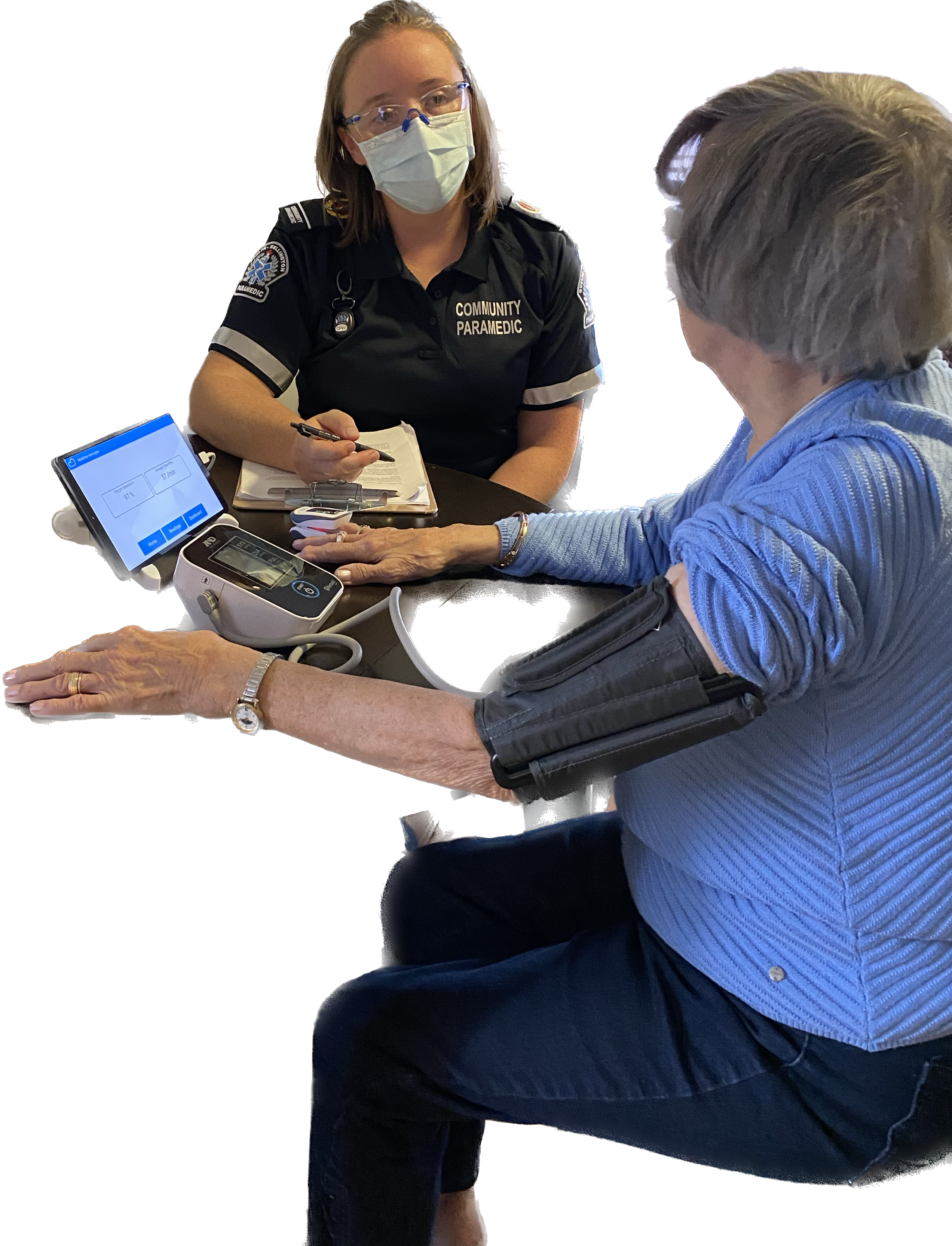
When I moved to Guelph, I was looking for a place where I could access the health care I needed while building a life in the community. Finding housing in Guelph was difficult then, and it has only become harder as my accessibility needs have changed over time.
Like many people with disabilities, I’ve found that housing conversations often focus on affordability but overlook accessibility. The two go hand in hand. A home may be affordable on paper, but if you can’t safely use the bathroom, navigate the doors, or move through the space independently, it doesn’t truly meet your needs.
Today, I live in an apartment that meets a few of my accessibility needs, but far from all of them. I have had to adapt to my home because finding another accessible place I can afford feels nearly impossible. More than 70 per cent of my income goes toward housing, and that’s despite being fortunate enough to find my current apartment through personal connections.
I love my neighbourhood and the life I have built here. But I know how fragile that stability can be. If I lost my housing, it would mean losing more than a place to live. It would mean losing access to the community, services and supports that help me thrive.
To me, an accessible home is about much more than ramps and automatic doors. It’s about being able to use your home, live independently, feel safe and have a sense of privacy. Affordable housing only works if people can actually use it.
I want people to understand that disability is not the end of a person’s story. It just means things have changed. People with disabilities should be allowed to thrive, to experience change and growth, and to have the same opportunities as everyone else. We all want the same things: a safe home, independence, connection to community and the chance to reach our full potential.
That’s why it’s important to build more affordable and accessible housing and protect people from being displaced from the homes and neighbourhoods they depend on.
The Data
- Only about one in three households can afford homes or rentals at affordable benchmark prices.
- The average Guelph house price was $809,600 in 2024 — far out of reach for the average household with an income of $111,400.
- More than one in 10 Guelph households live in homes that are unaffordable, inadequate or unsuitable.
- Guelph’s population is expected to grow from 148,600 in 2021 to 208,000 in 2051.
- To make sure people can afford to live here as we grow, about 18 per cent of new ownership homes and 53 per cent of new rentals need to be affordable.
*Data is taken from the City of Guelph’s Housing Affordability Strategy, approved in December 2024.
What’s Happening Now
In the Community
- Guelph & Wellington Poverty Elimination Collaborative: Yes in My Backyard
- Guelph & Wellington Poverty Elimination Collaborative: Permanent supportive housing
- County of Wellington: Housing Services and Supports
- Wellington-Guelph Health and Housing Community Planning Table
Be Part of the Solution
Here’s how you can get involved:
- Take the Yes in My Backyard Pledge: Sign the pledge with the Guelph & Wellington Poverty Elimination Collaborative and commit to saying yes to affordable housing in your neighbourhood.
- Read the City of Guelph’s Housing Affordability Strategy: Learn about the 10-year strategy with 30 actions to help encourage nearly one in every three newly built homes in Guelph to be affordable.
- Book a Yes in My Backyard training session: Invite the Guelph & Wellington Poverty Elimination Collaborative to deliver YIMBY training for your staff team or community group.
- Stay connected: Sign up for our City of Guelph’s Housing eNewsletter and check guelph.ca/housing to learn more about the work underway.